Program and Curriculum Development
In my commitment to providing a high-quality and relevant computer science education, I have played a key role in developing programs and curricula at TAMIU. This includes creating new courses and making significant contributions to the development of degree programs. In addition to designing individual courses, I have been actively involved in the development of broader academic programs. I have collaborated closely with the Director of the School of Engineering to create the curriculum for the Bachelor of Science in Computer Engineering and the newly proposed Bachelor of Science in Computer Science. This process involved:
- Aligning curriculam with industry needs: Ensuring that the programs provide students with the knowledge and skills necessary for success in the rapidly evolving field of computer science.
- Incorporating innovative teaching methodologies: Integrating active learning strategies, project-based learning, and technology-enhanced instruction to create engaging and effective learning experiences.
- Promoting interdisciplinary learning: Encouraging collaboration and knowledge transfer between different disciplines to prepare students for the complex challenges of the 21st century.
These initiatives in program and curriculum development highlight my dedication to improving academic offerings at TAMIU. My goal is to ensure that our students receive a high-quality education that prepares them for successful careers and lifelong learning. By creating innovative academic programs, we are advancing TAMIU's mission to equip students with the knowledge and skills necessary to thrive in a globalized world.

Course Development
I have taken a proactive approach to course development by creating 12 unique courses from the ground up to meet the evolving needs of our students. This process involved careful curriculum design, material development, and continuous refinement.
For each course, I developed a comprehensive set of learning materials, which include:
- Dynamic Lecture Presentations: These presentations feature multimedia components, real-world instances, and interactive activities to boost student comprehension.
- Challenging Homework Assignments: These tasks are crafted to strengthen core concepts and encourage students to implement their knowledge.
- Comprehensive Projects: I offer students chances to tackle real-world issues, fostering the development of critical thinking abilities.
- Supplementary Materials: Additional resources are supplied to aid student learning, including concept overviews, cheat sheets, and coding examples.
- Interactive Learning Opportunities: I make use of platforms like Top Hat to run interactive polls and quizzes, stimulate classroom discussions, and deliver immediate student feedback.
- Diverse Multimedia Resources: I integrate Echo360 lecture recordings, captivating videos, and interactive simulations to enrich student learning and accommodate various learning preferences.
- Engaging Interactive Textbooks: By employing platforms like zyBooks, I provide students with an interactive and stimulating learning environment that features interactive exercises, coding challenges, and tailored feedback.
- CourseArc-based Online Learning: I create high-quality online courses using the CourseArc platform, which encompasses multimedia elements, interactive tasks, and engaging assessments.
I continuously evaluate and refine my teaching materials based on student feedback and the evolving needs of the field. This iterative process ensures that my courses remain current, engaging, and effective in preparing students for success in their future careers.
Sample Teaching Materials
An Example of Top Hat Course Development and Material
To enhance student engagement and create a dynamic learning environment, I have effectively integrated Top Hat into my courses. For example, I developed a course that incorporates various interactive elements using Top Hat. This course features multimedia-rich presentations that include videos, animations, and real-world case studies to improve student understanding.
I have seamlessly integrated interactive questions throughout the course, allowing students to actively participate, receive immediate feedback, and assess their comprehension. These interactive elements consist of multiple-choice questions, short-answer questions, and polls, all of which foster an engaging classroom atmosphere.
Additionally, I use Top Hat to facilitate in-class discussions, enabling students to share their insights, ask questions, and engage in collaborative learning. This comprehensive approach, which combines multimedia content with interactive features of Top Hat, creates a dynamic and engaging learning environment that enhances student learning and promotes a deeper understanding of course concepts.
- Link to the course: https://app.tophat.com/e/068916
Enhancing Student Learning through Multimedia and Interactive Technologies
This section provides examples of my commitment to using innovative technologies to enhance student learning. Below, you will find sample Echo360 recordings from my online Fundamentals of Programming course. These recordings showcase my effective integration of multimedia elements, including video lectures, screencasts, and interactive discussions.
Additionally, these recordings illustrate how I incorporate zyBooks to create an engaging and interactive learning experience. I seamlessly integrate zyBooks into the course, utilizing its interactive exercises, coding challenges, and progress tracking tools to improve student understanding and provide personalized feedback.
This approach fosters a dynamic and interactive learning environment, allowing students to learn at their own pace, receive immediate feedback, and actively engage with the course material.
Enhancing Online Learning with CourseArc Sample Materials
This section showcases my commitment to developing high-quality online learning experiences. I have effectively utilized the CourseArc platform to create engaging and interactive online courses.
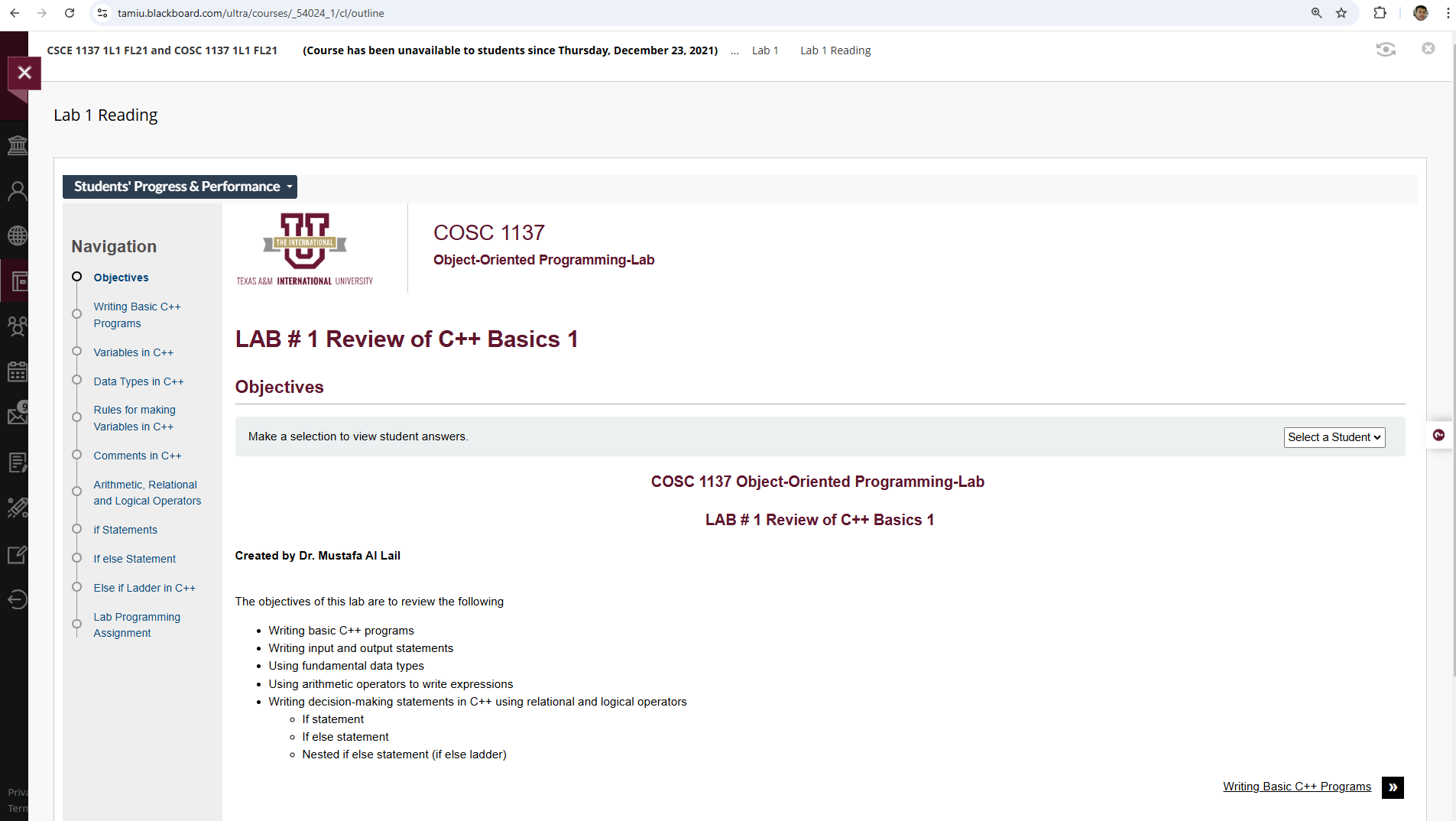
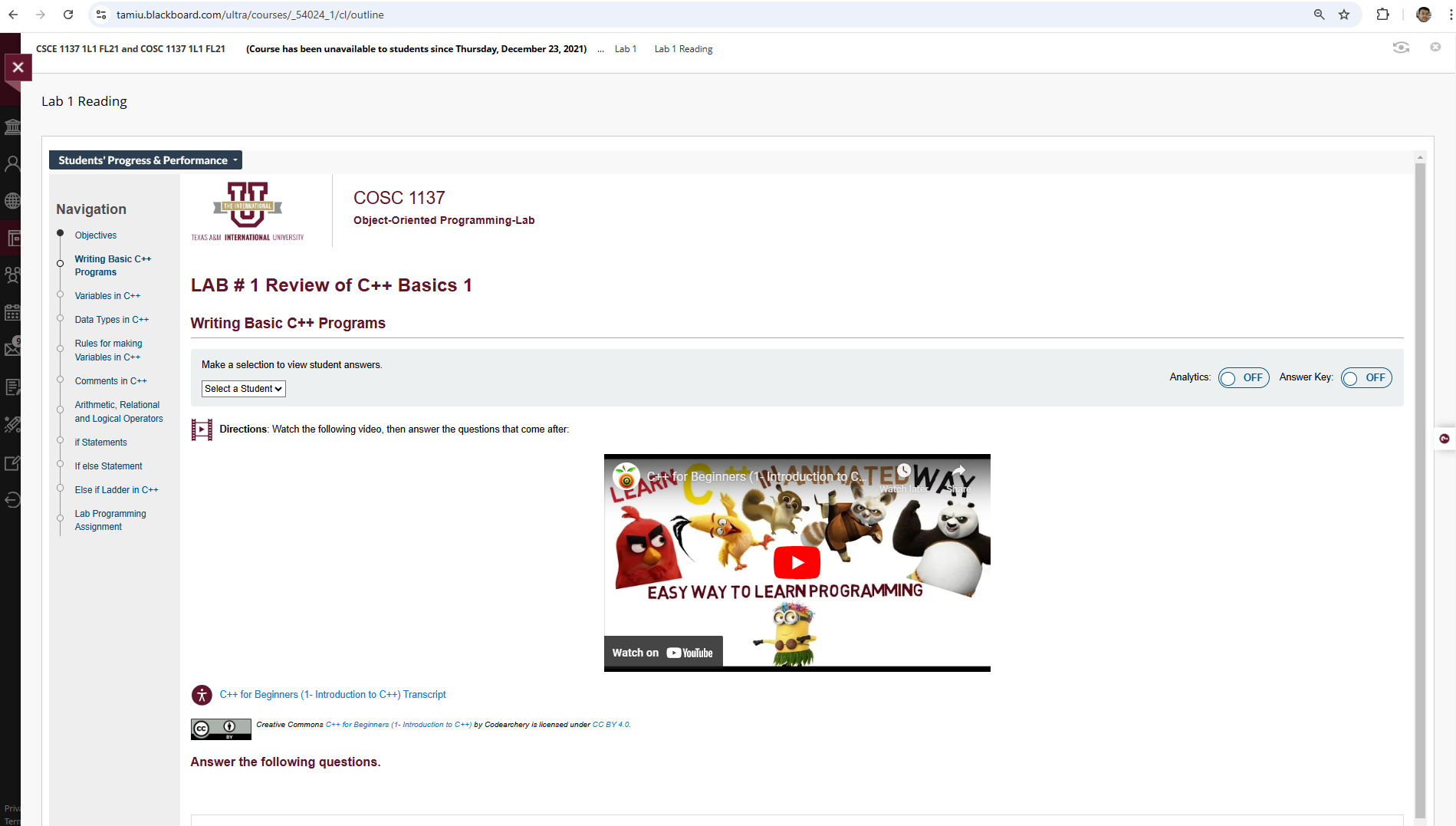
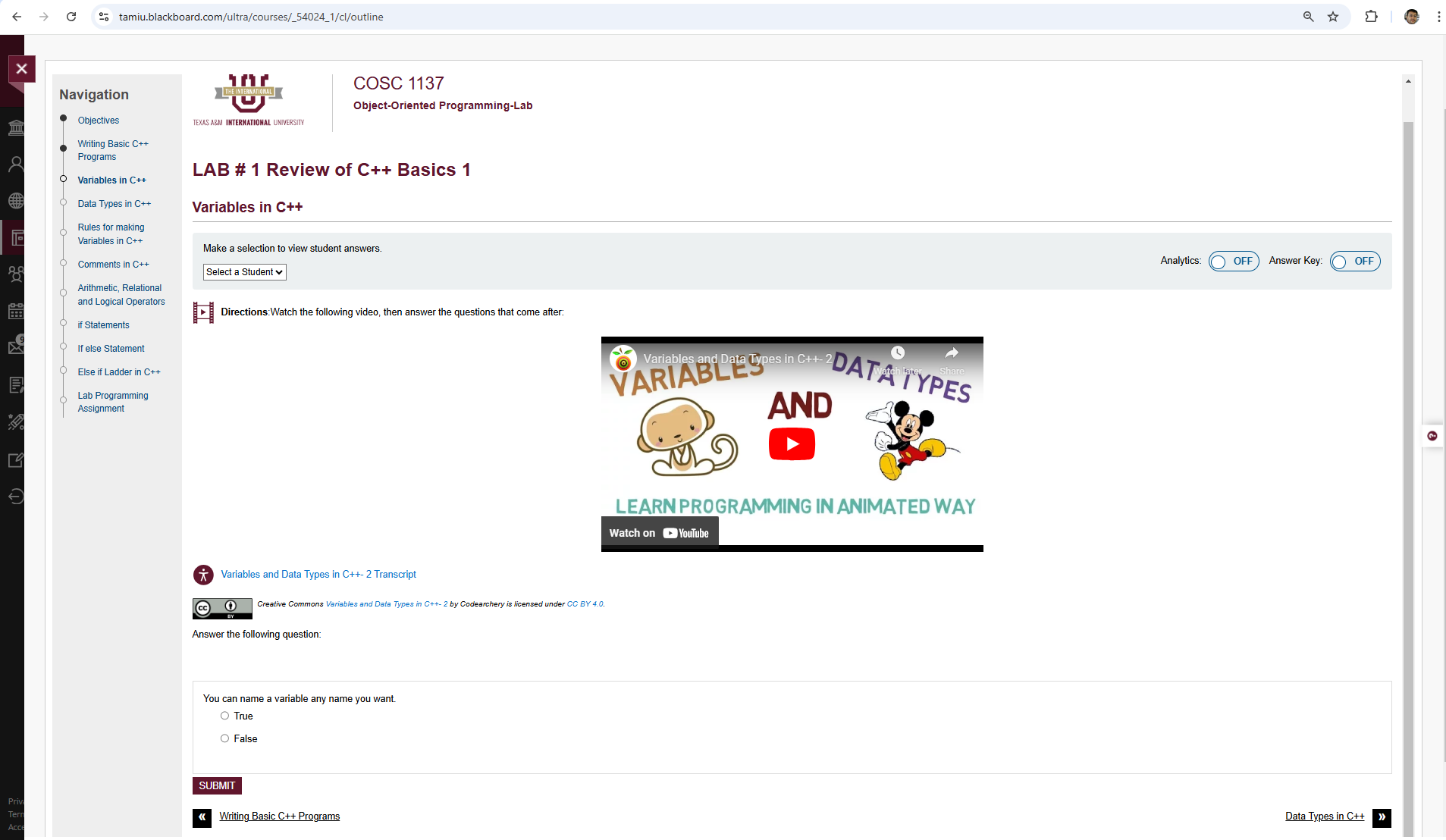
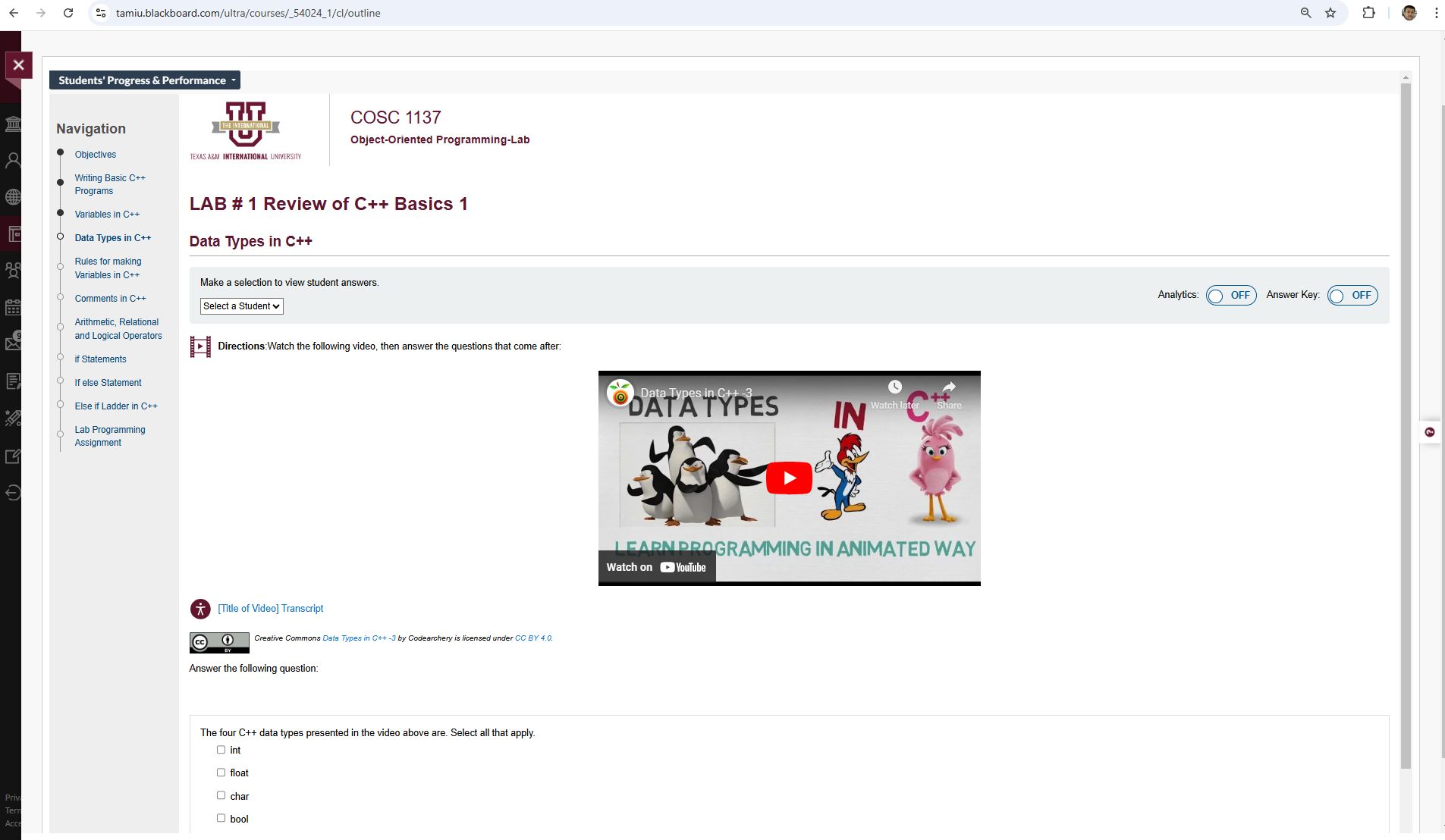
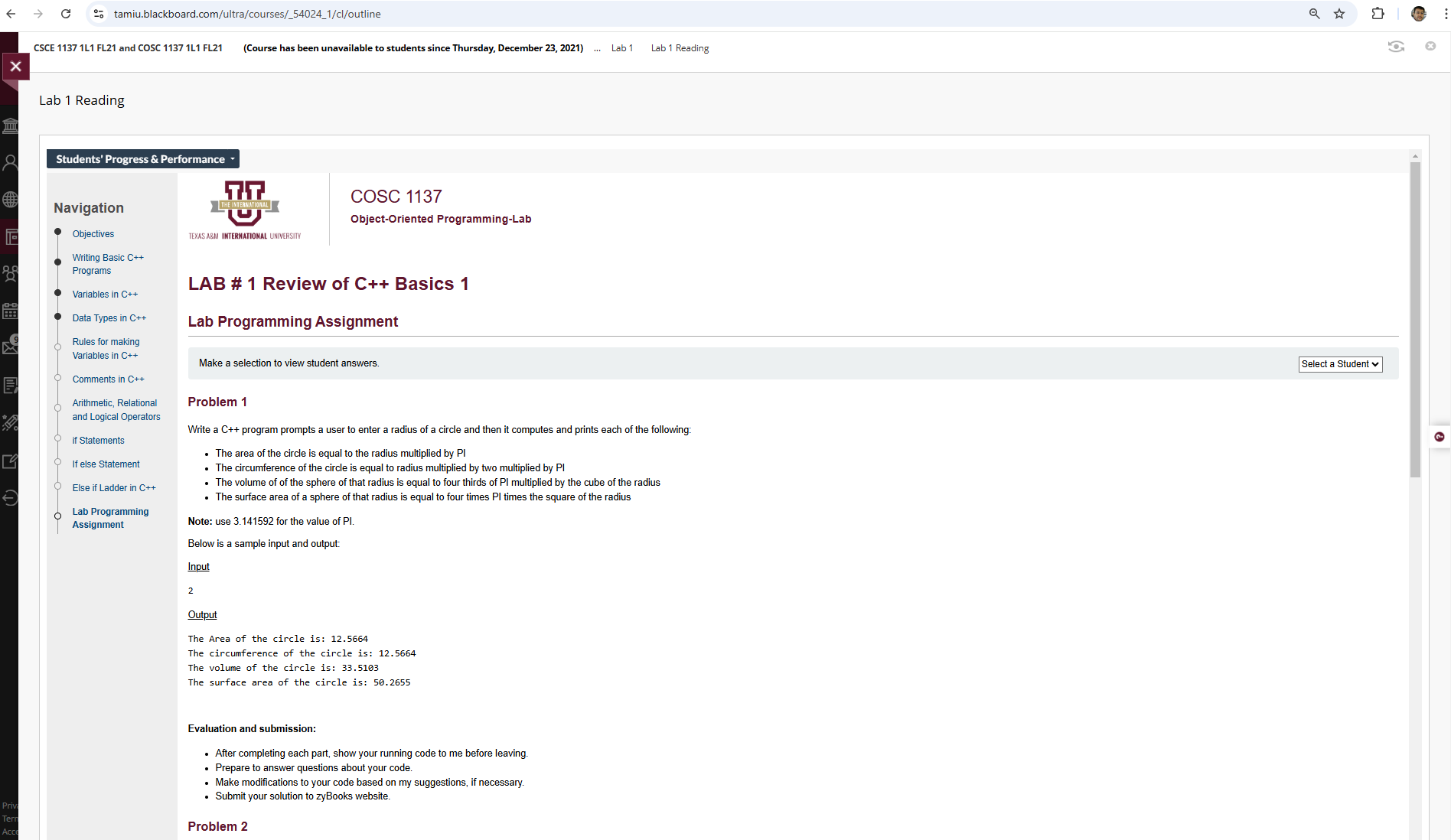
These images provide a glimpse into my CSCE 1137 online course, developed using the CourseArc platform. This course incorporates a variety of interactive elements, including multimedia presentations, video lectures, interactive quizzes, and discussion forums. I have carefully designed the course structure and content to provide students with a flexible and engaging learning experience.
By utilizing CourseArc, I have been able to:
- Create a visually appealing and user-friendly learning environment.
- Incorporate a variety of multimedia resources to enhance student engagement.
- Provide students with opportunities for interactive learning and collaborative activities.
- Deliver timely feedback and personalized support to students.